NASA announced Saturday that it’s bring Boeing’s starliner spacecraft back on its own to avoid imposing further risks on astronauts Butch Willmore and Suni Williams.
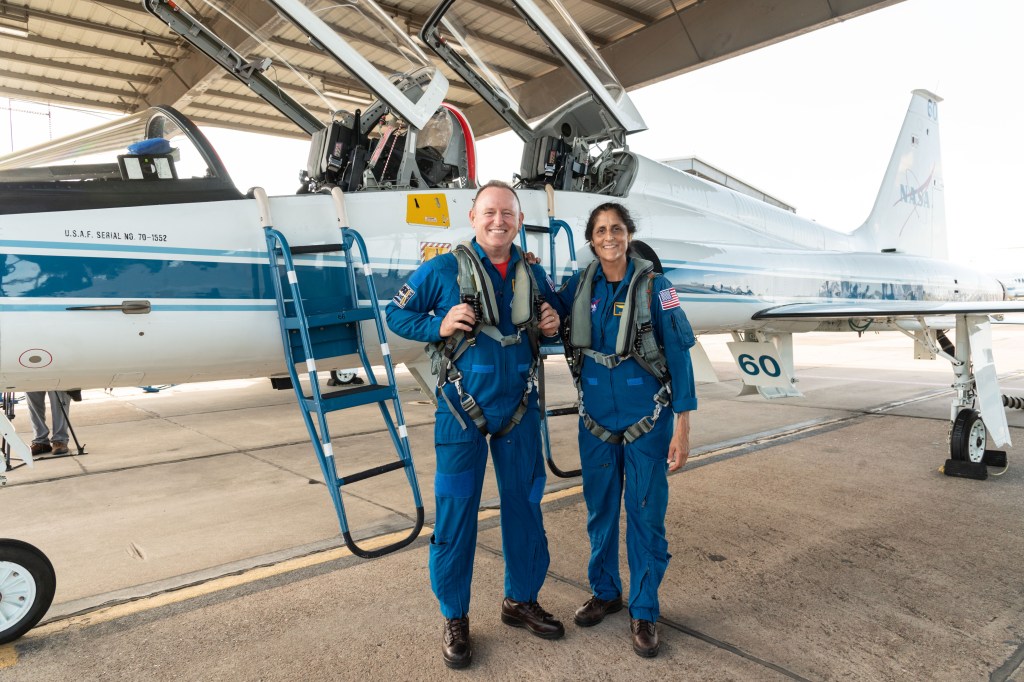
This comes more than two months after NASA and Boeing first identified helium leaks and other issues with the Starliner’s thrusters on June 6. The agency’s administrator Bill Nelson held a live conference from Johnson Space Center on Saturday, Aug. 24 to address the current state of the spacecraft, its crew and next steps to bring them home safely.
Nelson mentioned the great risk of these decisions and issues happening in the shadow of past mission failures that caused the agency to lose two space shuttles.
“Space flight is risky, even at its safest, and even at its most routine,” NASA administrator Bill Nelson said. “And a test flight, by nature, is neither safe, nor routine, and so the decision to keep Butch and Suni aboard the International Space Station, and bring the Boeing Starliner home uncrewed is a result of a commitment to safety.”
According to associate administrator Ken Bowersox, due to the direct impact on Wilmore and Williams, Boeing left it up to NASA to make the final decision of a crewed or uncrewed return to Earth. The work begins Saturday with what Bowersox says is a flight readiness review to obtain a NASA recommendation to proceed with the crew flight test.
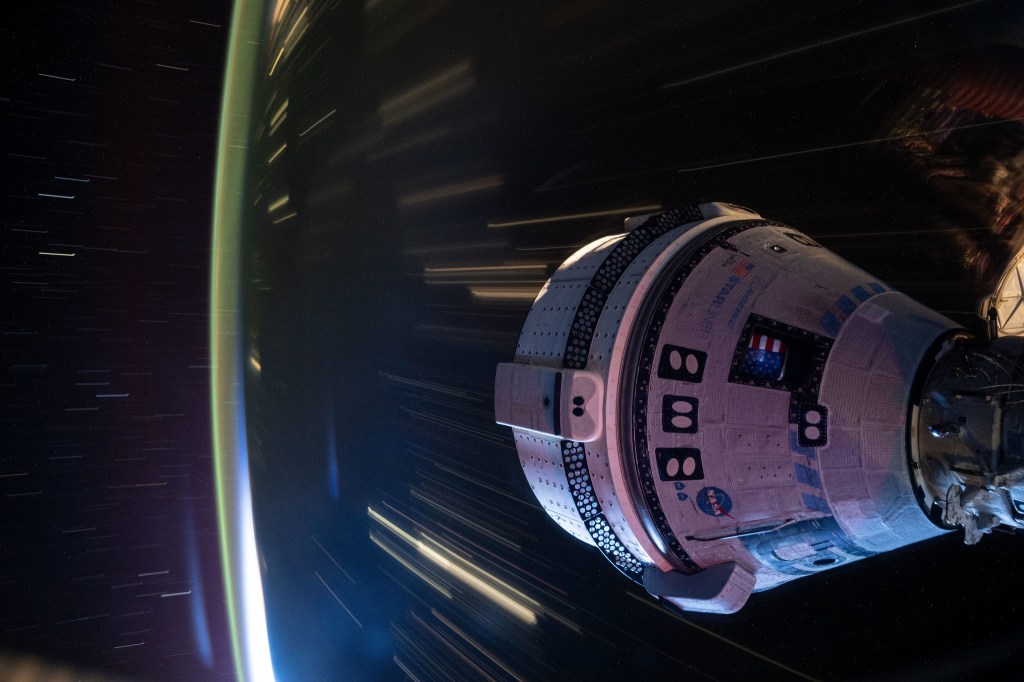
With an optimal design for unmanned operation, NASA says this will be the Starliner’s third autonomous flight. However, this bump in the road comes ahead of the agency’s SpaceX Crew-9 Dragon and the long-awaited Europa Clipper launches happening in September and October. The current challenge is now getting the spacecraft to touchdown and undock in time to make way for the upcoming Crew-9 mission launch in September. Still working to finalize all of the details including adjusting spacesuits and seat reconfiguration, NASA says the four-member crew launch date will be Sept. 24.
Wilmore and Williams will now fly home with the SpaceX Crew-9 Dragon spacecraft in February 2025. Because of this strategy, once Starliner is undocked, NASA International Space Station Program manager Dana Weigel says the Dragon spacecraft will also need to be reconfigured in order to accommodate the two additional crewmates. In the meantime, the astronauts continue working as part of the expedition supporting research and maintenance for the International Space Station. Weigel also adds that there may be some spacewalks they will participate in as they near the end of their flight.
“[Butch and Suni] have given our teams valuable feedback on Starliner, they’ve served as an integral part of our on-orbit increment and they demonstrated patience, adaptability, flexibility, resilience and readiness,” director of NASA’s Flight Operations Directorate Norm Knight said. “That’s what you get with an American astronaut.”
Once the Starliner returns to NASA’s Johnson Space Center, the agency says it will take a closer look at the data obtained from the flight, to make decisions on what work needs to be done to ensure the spacecraft meets “NASA certification requirements” moving forward.

 The Exploratory Journal